

Experience the Kagbhusandi Lake Trek – A Himalayan Adventure Like No Other
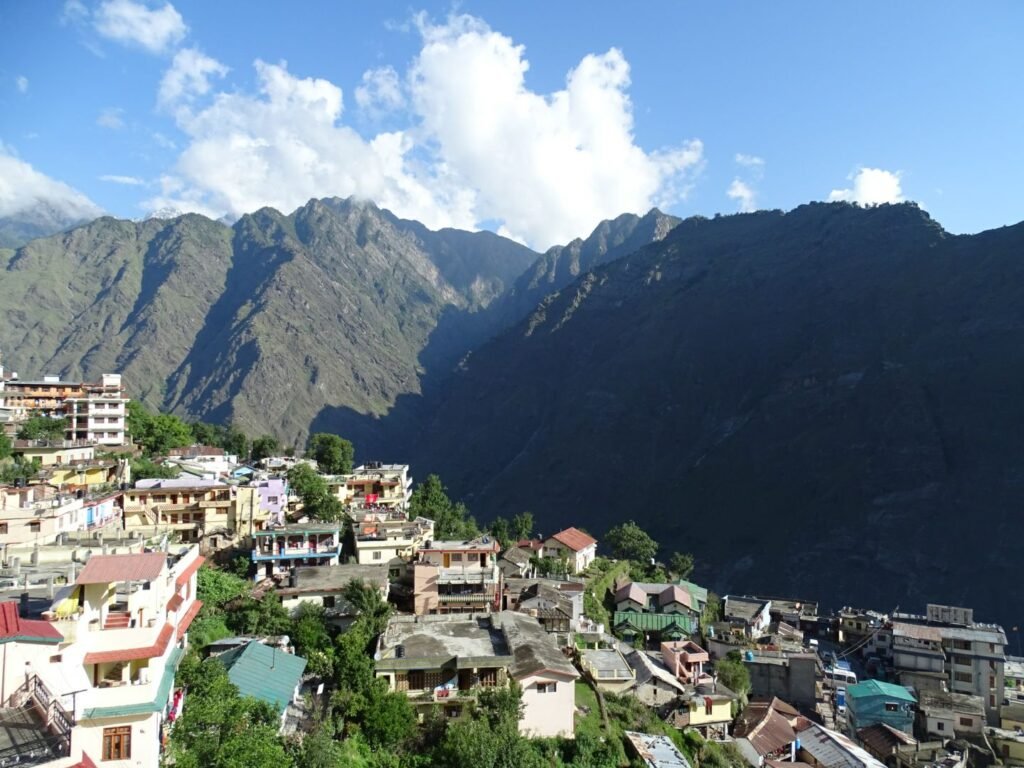
The Kagbhusandi Lake Trek is a captivating 7-day journey through the picturesque landscapes of Uttarakhand. Starting from Govindghat, this trek takes you across about 52 km of rugged terrain, culminating at the Kagbhusandi Lake nestled at an altitude of 17,155 feet. The trek offers a stunning combination of moderate to challenging routes, perfect for trekkers with some prior experience.
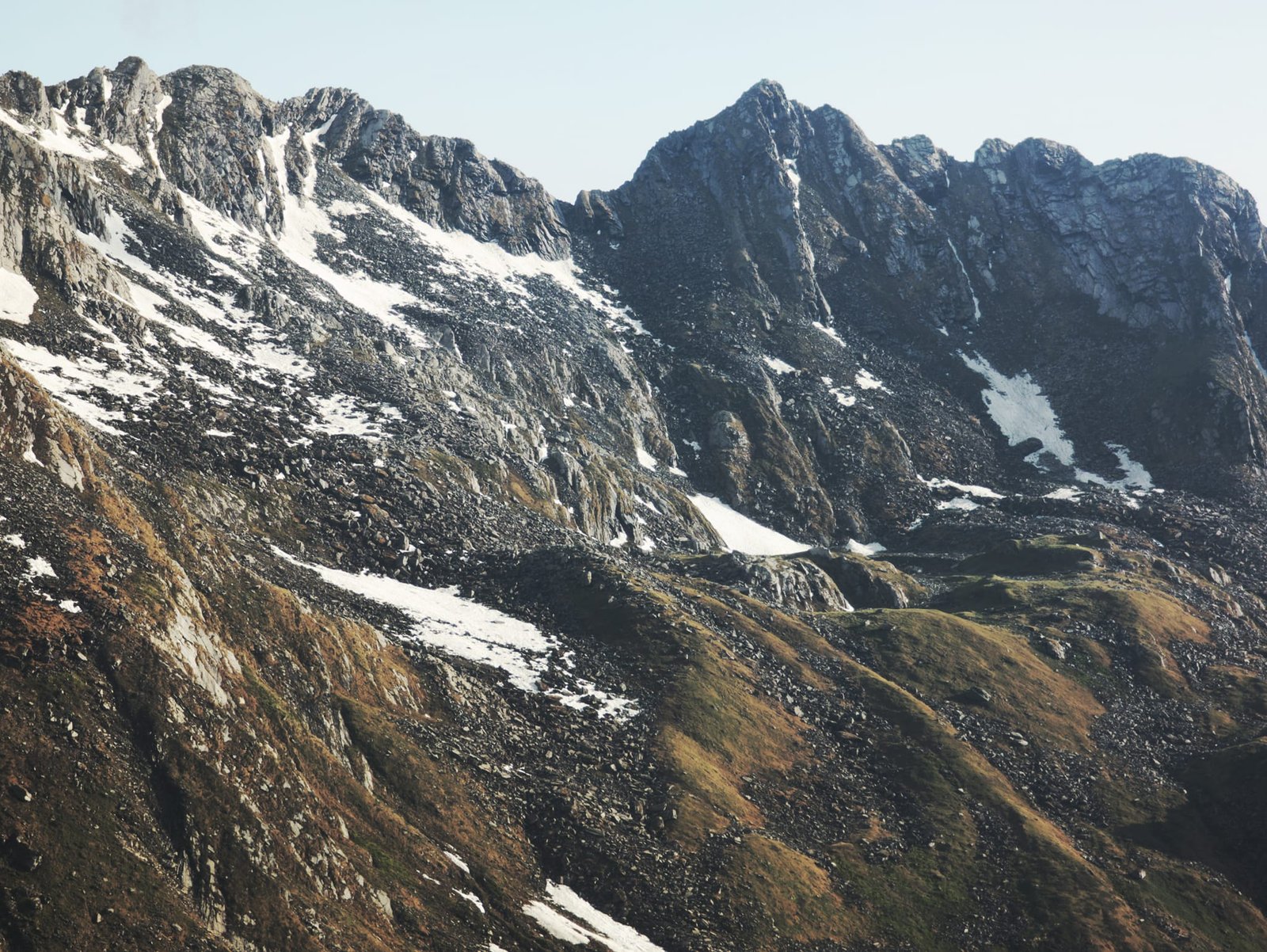
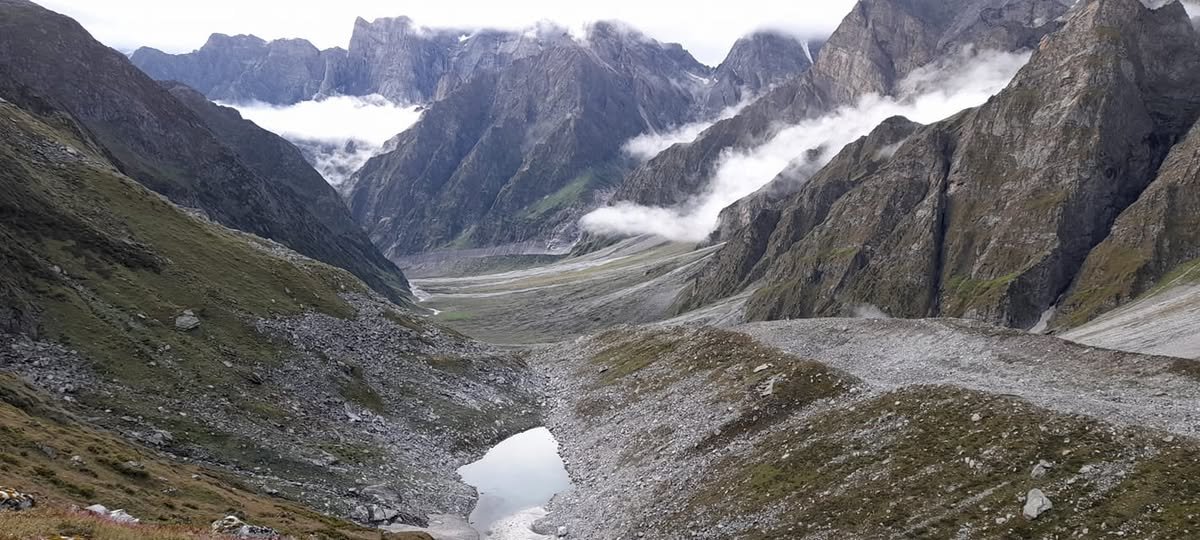
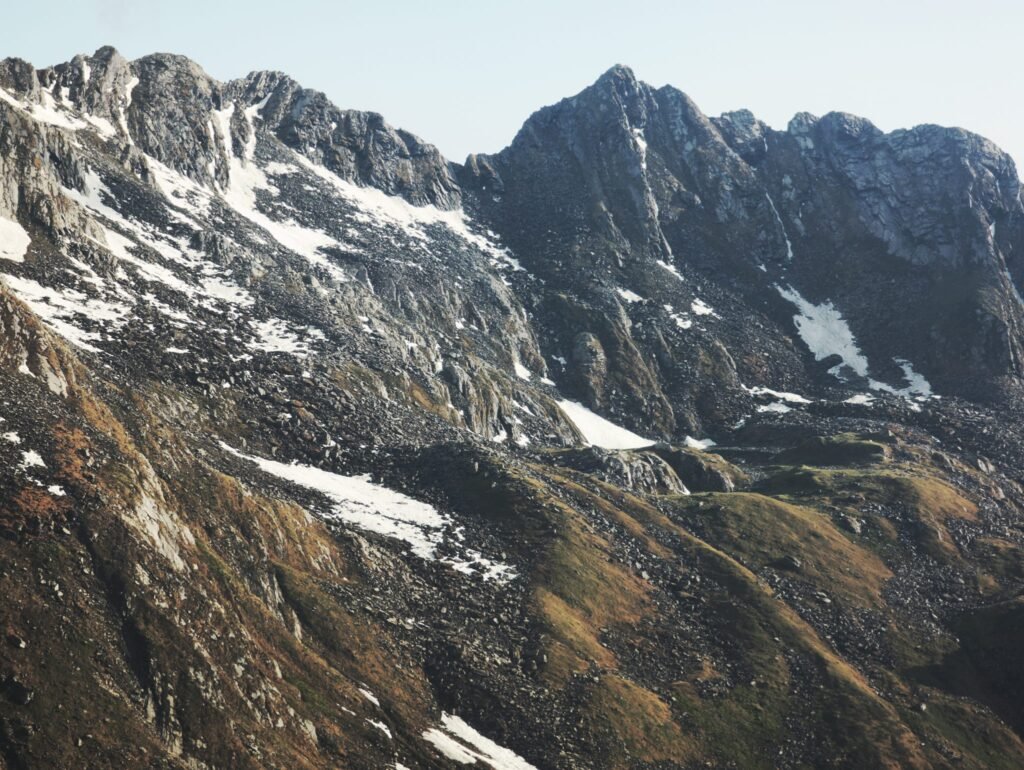
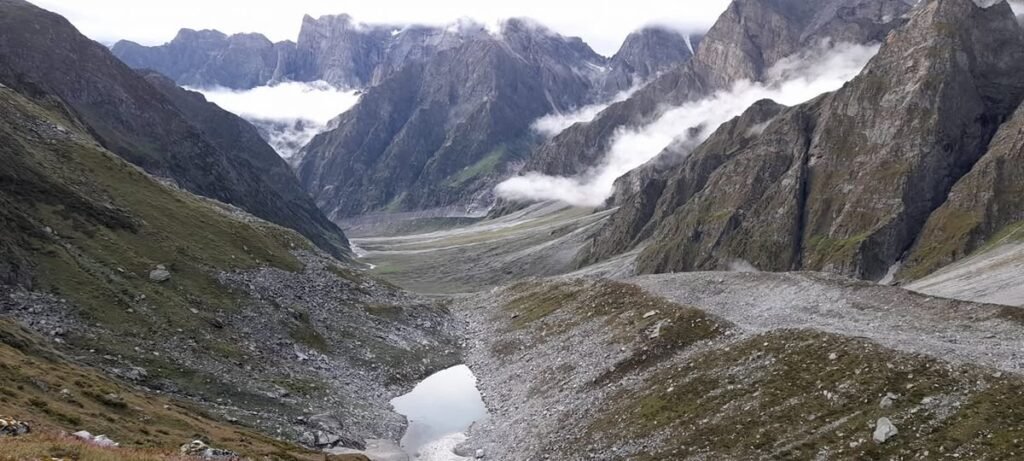
As you make your way through this incredible journey, you’ll walk through vibrant rhododendron forests, serene meadows, and crystal-clear streams. The landscape is dotted with towering Himalayan peaks, including Hathi, Chaukhamba, and Neelkanth, offering some of the most breathtaking panoramic views you’ll ever witness. The trek also offers a rare opportunity to experience the untouched beauty of the Garhwal Himalayas.
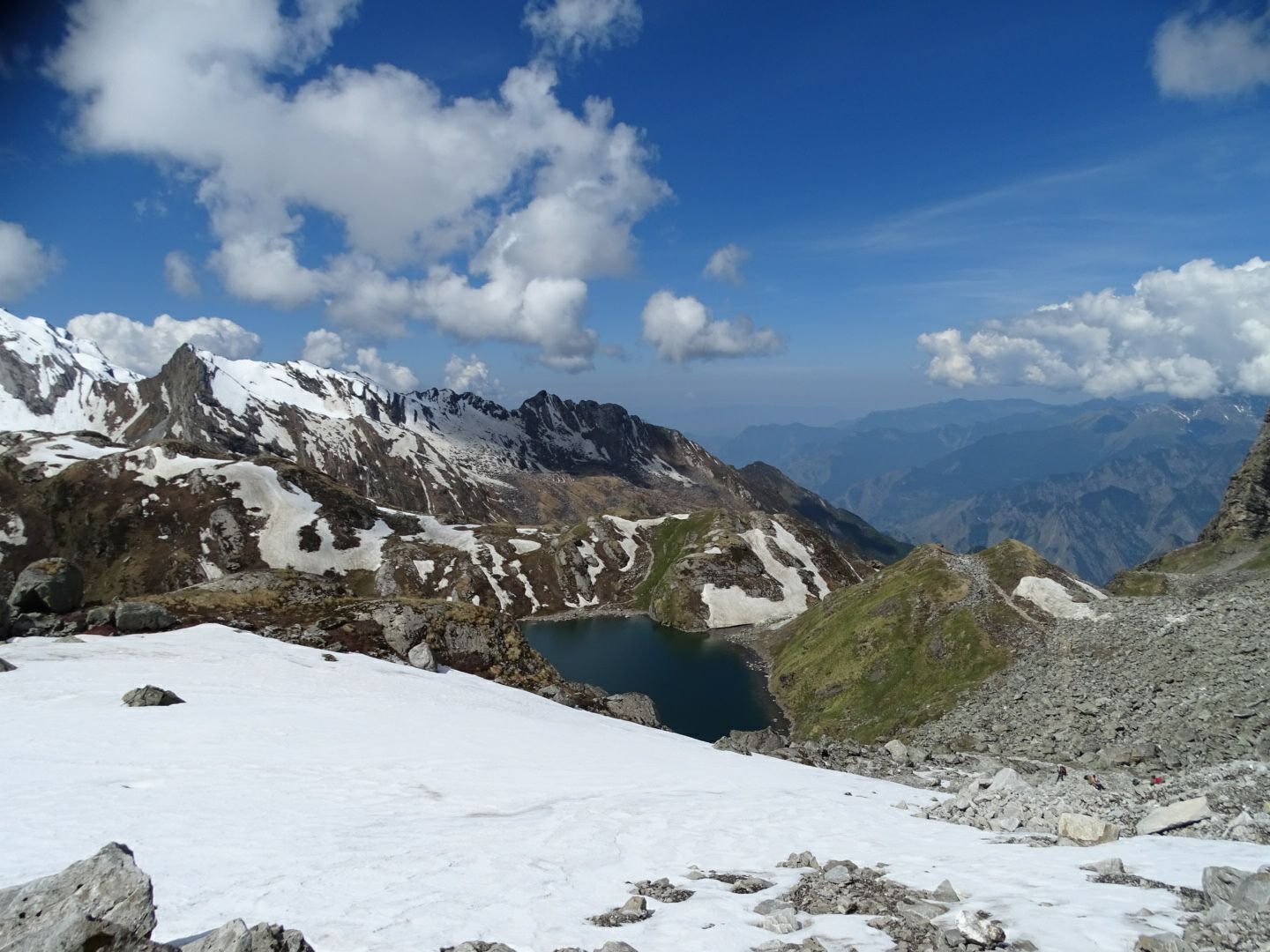
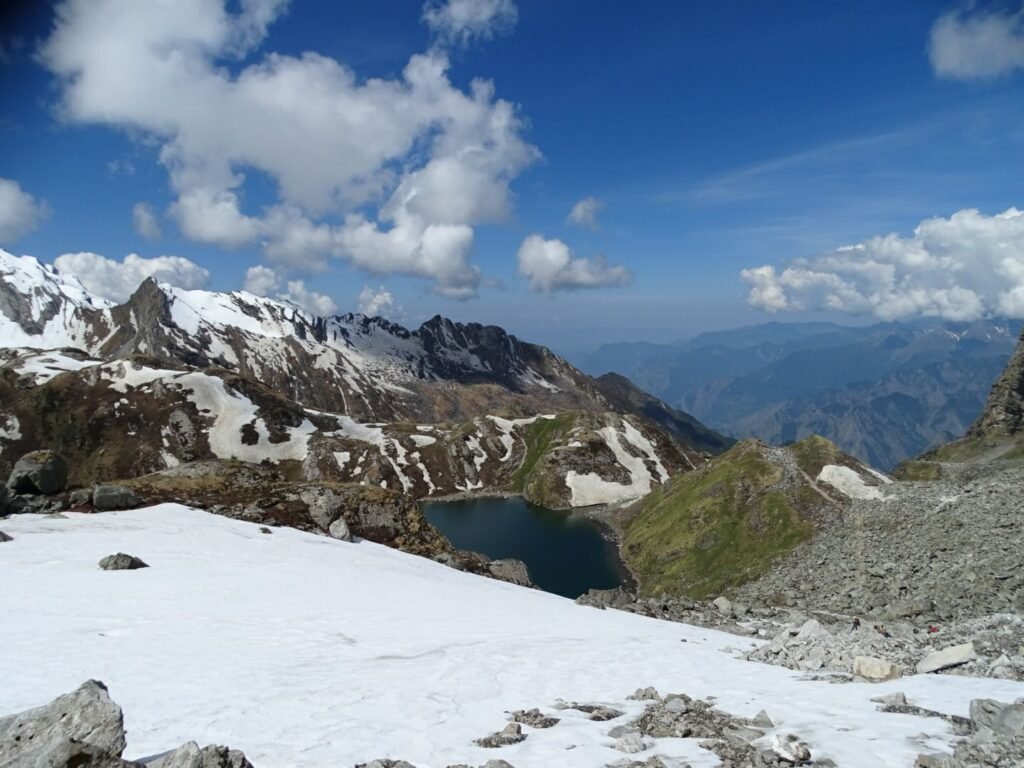
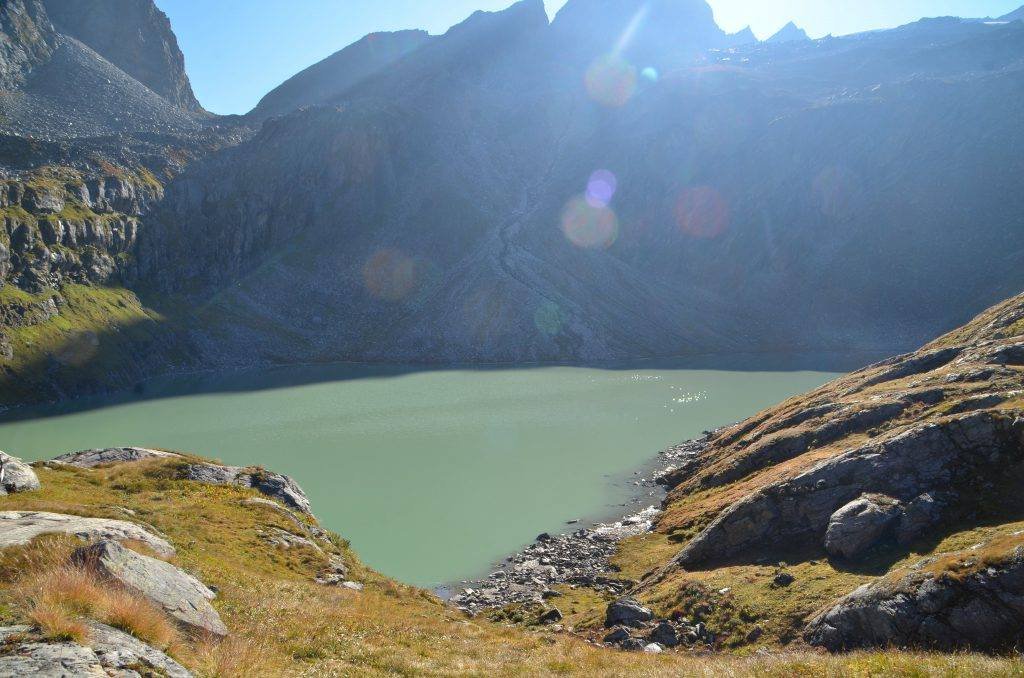
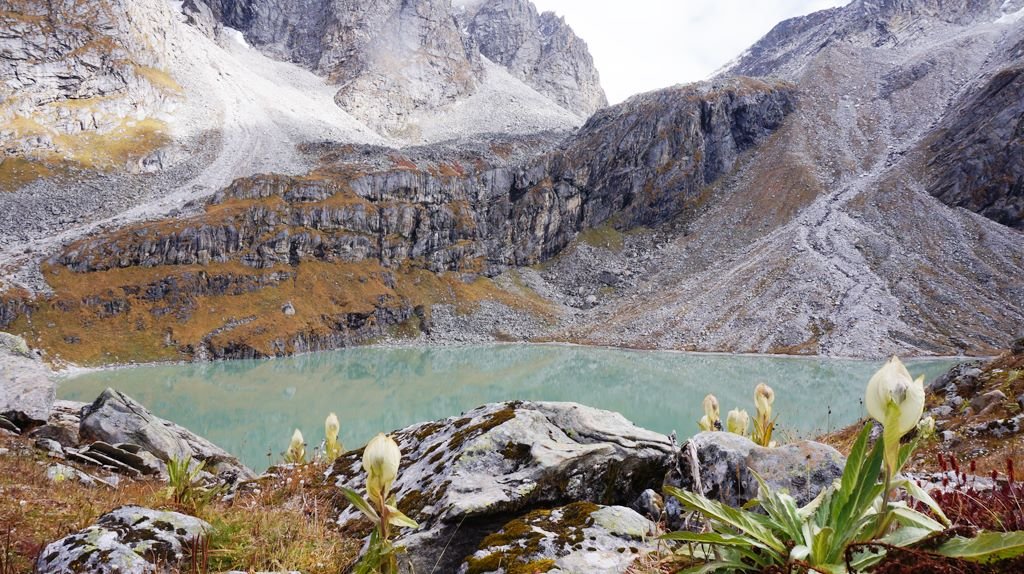
The Kagbhusandi Lake, located at the highest point of the trek, is a sacred and pristine body of water, surrounded by towering snow-capped mountains. The lake is known for its emerald green waters and the rare Brahma Kamal flowers that bloom nearby. This is the highlight of the trek, providing a peaceful and spiritual experience amidst nature.
Inclusions:
- Accommodation:
- Stay in homestays, guesthouses, and alpine tents along the trek on a shared basis.
- Meals:
- All vegetarian meals, including breakfast, lunch, dinner, and snacks during the trek. Tea/coffee will also be provided.
- Experienced Guides and Staff:
- An experienced trek leader and local support staff (porters, cooks) will accompany you throughout the trek.
- Transportation:
- Pick-up and drop-off from Dehradun/Rishikesh to Joshimath and Govindghat by road.
- Trekking Permits:
- All necessary permits and entry fees for trekking in the Himalayas and protected areas.
- Camping Gear:
- Tents, sleeping bags, mats, and kitchen equipment during the trek.
- Safety Gear:
- A first-aid kit, oxygen cylinder, and oximeter for safety purposes.
- Acclimatization Support:
- Adequate time for altitude acclimatization to ensure a safe trek.
- Cooking Staff:
- A dedicated cook and helper to prepare fresh, nutritious meals on the trek.
- Emergency Support:
- Basic first-aid support during the trek, with trained guides in handling emergencies.
Exclusions:
- Personal Expenses:
- Personal items like snacks, beverages, and souvenirs are not included.
- Travel Insurance:
- Travel insurance, including medical insurance, evacuation, and trip cancellation insurance is not included and should be arranged by the trekkers.
- Porter for Personal Luggage:
- Porter services for carrying personal luggage are not included. You’ll need to carry your own backpack with essentials.
- Meals During Travel:
- Meals outside the trek (during road journeys to and from Dehradun/Rishikesh) are not included.
- Alcohol and Intoxicants:
- Alcohol, drugs, or other intoxicants during the trek are not included and are discouraged for safety reasons.
- Medical Expenses:
- Any medical expenses, including doctor visits, medications, and emergency evacuation costs are not covered.
- Extra Personal Items:
- Extra clothing, gear, or trekking equipment (beyond the provided kit) are not included.
- Emergency or Unforeseen Expenses:
- Any costs arising due to unforeseen circumstances like weather delays, landslides, or government restrictions are to be borne by the trekker.
- Tips:
- Tips for the guides, porters, and cooking staff are not included.
- Extra Activities:
- Any extra activities, like sightseeing or optional adventures outside the trek, are not included in the package.
-
Food
-
Yes
-
Guided
-
Card, Upi, Cash
-
Yes
-
Rishikesh
-
Rishikesh
-
Available
Kagbhusandi Lake Trek
The Kagbhusandi Lake Trek is a captivating 7-day journey through the picturesque landscapes of Uttarakhand. Starting from Govindghat, this trek takes you across about 52 km of rugged terrain, culminating at the Kagbhusandi Lake nestled at an altitude of 17,155 feet. The trek offers a stunning combination of moderate to challenging routes, perfect for trekkers with some prior experience.
As you make your way through this incredible journey, you’ll walk through vibrant rhododendron forests, serene meadows, and crystal-clear streams. The landscape is dotted with towering Himalayan peaks, including Hathi, Chaukhamba, and Neelkanth, offering some of the most breathtaking panoramic views you’ll ever witness. The trek also offers a rare opportunity to experience the untouched beauty of the Garhwal Himalayas.
The Kagbhusandi Lake, located at the highest point of the trek, is a sacred and pristine body of water, surrounded by towering snow-capped mountains. The lake is known for its emerald green waters and the rare Brahma Kamal flowers that bloom nearby. This is the highlight of the trek, providing a peaceful and spiritual experience amidst nature.
The best time to visit is from June to September, when the weather is most favorable, offering pleasant temperatures and clear skies. The Kagbhusandi Lake Trek is ideal for adventure seekers who want to explore the remote beauty of the Himalayas while enjoying a mix of challenging trekking and scenic exploration.
- Scenic Beauty: Experience breathtaking views of snow-capped Himalayan peaks, including Hathi, Chaukhamba, and Neelkanth as you trek through lush rhododendron forests and meadows.
- Kagbhusandi Lake: Reach the sacred Kagbhusandi Lake at 17,155 feet, known for its emerald waters and surrounded by stunning alpine scenery. A serene and peaceful spot, perfect for reflection and relaxation.
- Brahma Kamal Flowers: Marvel at the rare Brahma Kamal flowers that bloom near the lake, adding a magical touch to the environment.
- Himalayan Wildlife: Spot diverse Himalayan wildlife along the trail, including musk deer, Himalayan black bears, and various bird species, offering an immersive nature experience.
- Alpine Meadows and Forests: Trek through beautiful alpine meadows, dense forests, and crystal-clear streams, showcasing the rich diversity of the Garhwal region.
- Cultural Immersion: Pass through remote villages and interact with the local Garhwali communities, learning about their culture, traditions, and way of life.
- Moderate to Challenging Terrain: Enjoy a balanced mix of moderate to challenging trekking, offering the perfect adventure for experienced trekkers.
- Pristine and Untouched Environment: Trek through an untouched and eco-friendly zone, where you’ll be surrounded by the natural beauty of the region, far from the crowds.
- High Altitude Adventure: Reach altitudes of 17,155 feet, testing your physical stamina while offering some of the most spectacular views in the Himalayas.
- Perfect Weather Conditions: The best time to trek is during the June to September window, with pleasant weather, clear skies, and optimal conditions for trekking, making it the ideal time for adventurers.
Cultural Importance of the Kagbhusandi Lake Trek
The Kagbhusandi Lake Trek is not just a journey through stunning landscapes, but also an immersion into the rich cultural fabric of the Garhwal region in Uttarakhand. Here’s how the trek holds cultural significance:
- Sacred Connection:
Kagbhusandi Lake is steeped in Hindu mythology. It is believed to be the resting place of the mythical bird Kagbhusandi, who attained immortality here. The lake is considered sacred by the local people, and the trek provides trekkers the chance to connect with this spiritual legacy. - Garhwali Traditions:
The trek passes through several remote Garhwali villages, where you’ll get a glimpse of the traditional lifestyle, customs, and rituals of the region. Locals continue to live in harmony with the mountains, maintaining their deep spiritual connections to the land. - Local Beliefs and Festivals:
The trek offers a chance to experience the spiritual side of the Himalayas. Many of the villages along the way celebrate local festivals like Baisakhi and Makar Sankranti, where you can witness traditional folk dances, music, and rituals that celebrate nature, harvest, and the gods of the mountains. - Himalayan Pilgrimage:
For centuries, pilgrims have trekked through these high-altitude regions as part of their spiritual journey. The Kagbhusandi Lake holds a sacred place in the Himalayan pilgrimage circuit, which is an important aspect of the spiritual life in Uttarakhand. The trek allows trekkers to engage with this ancient tradition of mountain pilgrimages. - Interaction with Local Communities:
Along the route, trekkers interact with the local Garhwali people, who have a deep-rooted connection with the land. These communities, mostly subsistence farmers, still practice age-old customs, from traditional farming methods to the use of natural remedies passed down through generations. Conversations with locals offer insights into the region’s unique culture and way of life. - Sacred Sites Along the Trail:
The route takes trekkers past several sacred shrines and temples, where local devotees pay homage to mountain gods and goddesses. These shrines and holy sites further enrich the spiritual and cultural experience of the trek. - Preserving Traditions through Art and Craft:
The people of the Garhwal region are known for their unique handicrafts, woven textiles, and woodwork. The trek provides an opportunity to observe and purchase handmade crafts, supporting local artisans and preserving traditional skills. - Spiritual Awareness:
The trek’s setting in the Himalayan wilderness encourages trekkers to experience a sense of spiritual connection with nature. The serene beauty of the region, combined with its religious significance, allows trekkers to reflect, meditate, and experience the timeless peace that the mountains offer.
The Kagbhusandi Lake Trek is more than just an adventure; it’s a journey that connects you to the cultural, spiritual, and historical roots of Uttarakhand. With every step, trekkers gain a deeper appreciation for the local traditions, beliefs, and the sacred relationship between the people and their mountains.
Why Kagbhusandi Lake Trek is a Must-Do
The Kagbhusandi Lake Trek is an adventure that offers much more than just a physical challenge. Here’s why it should be on every trekker’s bucket list:
- Breathtaking Views of the Himalayas:
The trek takes you through some of the most stunning landscapes in Uttarakhand. From lush meadows to snow-capped peaks, the vistas of Chaukhamba, Hathi, and Neelkanth will leave you in awe at every turn. - Sacred Spiritual Journey:
The Kagbhusandi Lake is a sacred site in Hindu mythology, making this trek not just an adventure, but also a deeply spiritual journey. The lake is associated with the mythical bird Kagbhusandi, believed to have attained immortality at this very spot. It’s a rare opportunity to connect with the spiritual heritage of the region. - Rich Flora and Fauna:
The trek passes through Himalayan forests, where you can spot rare wildlife like musk deer, Himalayan black bears, and diverse bird species. The surrounding meadows are rich with wildflowers, including the sacred Brahma Kamal, a flower believed to have healing powers. - Cultural Immersion:
Trekking through remote Garhwali villages gives you the chance to witness traditional mountain life up close. You can interact with locals, experience their customs, and gain a deeper appreciation for the culture of this beautiful region. - Challenging Yet Rewarding:
With a moderate to difficult difficulty level, this trek provides the perfect balance for trekkers looking for a challenge. The journey tests your physical endurance, while the sense of accomplishment upon reaching Kagbhusandi Lake is incomparable. - A True Himalayan Experience:
This trek offers a genuine Himalayan experience, taking you to high altitudes with scenic views, alpine meadows, and snow-clad peaks, all while maintaining an authentic, untouched atmosphere. - Peaceful and Remote:
Away from the hustle of tourist spots, this trek offers a serene environment, perfect for those seeking solitude and a break from the chaos of daily life. It’s a chance to truly disconnect and reconnect with nature. - Floral Beauty:
If you visit during the right time, you’ll be greeted by vibrant wildflowers, including the rare Brahma Kamal, which blooms in the alpine meadows near the lake. This adds a magical touch to the trek. - Perfect for Adventure Seekers and Nature Lovers:
Whether you’re a seasoned trekker looking for a challenge or a nature lover wanting to experience the untouched beauty of the Garhwal Himalayas, this trek offers something for everyone. - Memory of a Lifetime:
The Kagbhusandi Lake Trek is not just about reaching the destination. It’s about the entire journey—walking through magical landscapes, interacting with locals, and connecting with nature on a spiritual level. It’s an adventure you’ll cherish forever.
The Kagbhusandi Lake Trek is a must-do because it offers a combination of natural beauty, spiritual significance, physical challenge, and cultural experiences that you won’t find on any other trek. It’s an opportunity to explore the hidden gems of the Garhwal Himalayas, make unforgettable memories, and connect deeply with nature.
Trek Tips – Essential Things to Know Before You Go
Physical Fitness
The Kagbhusandi Lake Trek is a moderate to difficult trek, requiring a decent level of physical fitness. Prepare by focusing on endurance training such as cardio, strength training, and practicing on hilly terrains.
Altitude Acclimatization
Altitude sickness can be a risk at 17,155 feet. Take it slow, stay hydrated, and ensure you follow the acclimatization process to adjust to the high altitudes and minimize any discomfort.
Pack Light, Pack Right
While it’s important to keep your pack light, make sure to include essentials like warm clothing, trekking boots, waterproof jacket, sleeping bag, and necessary personal items. Don’t forget a first-aid kit and medications.
Footwear
Wear waterproof trekking boots with good ankle support. The trail will include rocky sections, snowy paths, and slippery areas, so sturdy footwear is crucial for safety and comfort.
Dress in Layers
The weather can change rapidly, especially at higher altitudes. Layer your clothing with thermal wear, fleece, and a windproof jacket. Also, pack woolen socks, gloves, and a hat for warmth.
Stay Hydrated
Drink plenty of water throughout the trek to stay hydrated. Carry a water bottle with a purifier or purification tablets. Hydration is key to avoiding fatigue and altitude sickness.
Weather Awareness
Be prepared for fluctuating weather. You may experience sunny conditions in the day and cold nights, or even unexpected rain or snow at higher altitudes. Carry weather-appropriate gear and always be ready for sudden changes.
Follow Your Trek Leader’s Instructions
Your trek leader has experience with the terrain and conditions. Listen to their advice on pacing, altitude, and safety to ensure a safe and enjoyable experience.
Respect Nature and Local Culture
Leave no trace: Respect the environment by keeping it clean and disposing of waste properly. Be mindful of local customs and interact with local communities respectfully. Understand the cultural and spiritual significance of places like Kagbhusandi Lake.
Health Precautions
Carry a basic first-aid kit with common medications, such as painkillers, band-aids, and medication for altitude sickness. If you have pre-existing conditions, consult a doctor before embarking on the trek.
Photography
Bring a camera to capture the stunning views, but also take time to enjoy the experience without the lens. The trek offers spectacular landscapes and wildlife, so don’t forget to appreciate the moments beyond photos.
Mental Preparation
Trekking at high altitudes can be mentally challenging. Stay positive, focus on small goals, and take regular breaks. The trek is a journey, so enjoy the experience, no matter how tough it gets.
Essential Gear
Don’t forget to bring sunscreen, sunglasses, headlamps, trekking poles, and snacks for extra energy. These items can make a big difference in your comfort and safety.
Engage with Locals
As you pass through villages, take time to learn about the local culture and traditions. The Garhwali people are known for their warmth and hospitality, and engaging with them will enrich your trek.
Emergency Preparedness
Keep an emergency contact and know the procedures for evacuation in case of health issues or sudden weather changes. Familiarize yourself with your trek leader’s emergency protocols.
Extra Tips for a Better Kagbhusandi Lake Trek Experience
Start Training Early
Begin your physical preparation at least 2-3 months before the trek. Focus on cardio exercises, hill climbs, and strengthening your legs and core for better endurance during the trek.
Pack Smart
Minimalism is key. Pack only essential items like a lightweight sleeping bag, waterproof jacket, and energy snacks. Overpacking can make your trek unnecessarily heavy.
Stay Positive and Enjoy the Journey
While the trek may be physically challenging at times, maintaining a positive attitude helps you push through tough moments. Celebrate small milestones and enjoy the scenic beauty of the Himalayas.
Get Used to Trekking Boots
Break in your boots before the trek to avoid blisters and discomfort. Wear them during training hikes to ensure they’re comfortable for long days of walking.
Prioritize Rest and Recovery
Take frequent breaks during your trek to rest, hydrate, and recharge. This helps prevent fatigue and allows your body to adapt to the altitude gradually.
Be Flexible with Plans
Weather and conditions can change unexpectedly in the mountains. Stay flexible with your plans and be prepared for delays or adjustments based on the environment.
Practice Mindfulness and Meditation
The serene environment around Kagbhusandi Lake is perfect for quiet reflection. Take time to meditate or practice mindfulness to connect deeply with the landscape and recharge mentally.
Engage with Fellow Trekkers
The people you meet along the trek are part of the experience. Engage with fellow trekkers, share stories, and create memories together. The shared camaraderie will make the journey even more memorable.
Respect the Local Communities
When passing through villages, always be respectful of local customs and traditions. A simple “Namaste” and a smile go a long way in fostering good relationships with locals.
Avoid Rushing
Enjoy each day of the trek without focusing too much on the destination. Take time to soak in the scenery, enjoy the wildlife, and appreciate the tranquility that the mountains offer.
By following these extra tips, you can ensure that your Kagbhusandi Lake Trek is not only safe and comfortable but also enriching, leaving you with unforgettable experiences and memories of the majestic Himalayas.
Fitness Required for the Kagbhusandi Lake Trek
The Kagbhusandi Lake Trek is a moderate to difficult trek that requires a good level of fitness. Here’s what you need to know to ensure you’re well-prepared for the trek:
Endurance:
The trek covers about 52 km over 7 days with daily trekking durations of 5-8 hours. You’ll be trekking through steep ascents, rocky terrain, and varied altitudes. Building cardiovascular endurance is essential for sustained energy.
Strength:
Leg strength is critical as you’ll be climbing high altitudes (up to 17,155 feet) and navigating through rugged terrain. Focus on strengthening your quads, calves, and glutes through exercises like lunges, squats, and step-ups.
Stamina for High Altitude:
The trek reaches high altitudes, where the oxygen level is thinner. It’s essential to have good stamina to avoid exhaustion, especially when ascending to Kagbhusandi Lake. Regular hikes at increasing elevations before the trek will help your body adjust.
Core Strength and Balance:
Trekking through rocky and uneven surfaces requires good core strength for stability. Incorporate planks, side planks, and balance exercises into your fitness routine to improve core strength and overall balance.
Acclimatization:
The trek involves climbing to significant altitudes, so acclimatization is crucial to avoid altitude sickness. Prior to the trek, practice walking at higher altitudes, or if possible, take shorter trips to altitudes of 5,000 meters or more to prepare your body.
Flexibility:
Stretching and flexibility exercises are important to avoid injuries. Focus on the flexibility of your hips, knees, and ankles, as they will be under strain during long hours of trekking.
Mental Fitness:
Trekking at high altitudes can be mentally challenging, especially on difficult days. Mental endurance is just as important as physical fitness. Practice techniques such as positive visualization and mindfulness to stay focused and relaxed during tough moments.
Weight Management:
Carrying a heavy backpack can add stress to your body. Aim to carry a backpack weighing no more than 10-12 kg. Pack only the essentials and train with a loaded backpack to get used to the weight.
How to Prepare:
Cardio: Build your endurance with activities like running, cycling, or swimming. Aim for 30-45 minutes of aerobic exercise 4-5 times a week.
Strength Training: Include leg exercises like squats, lunges, and step-ups in your routine, 2-3 times a week.
Hiking Practice: Go for long hikes with a backpack to simulate trekking conditions. Gradually increase your hike duration and elevation.
High Altitude Training: If possible, trek at higher elevations to get your body used to lower oxygen levels.